LifeStraw Escape High-Flow Pressurized Purifier | Product GuideUpdated 15 days ago
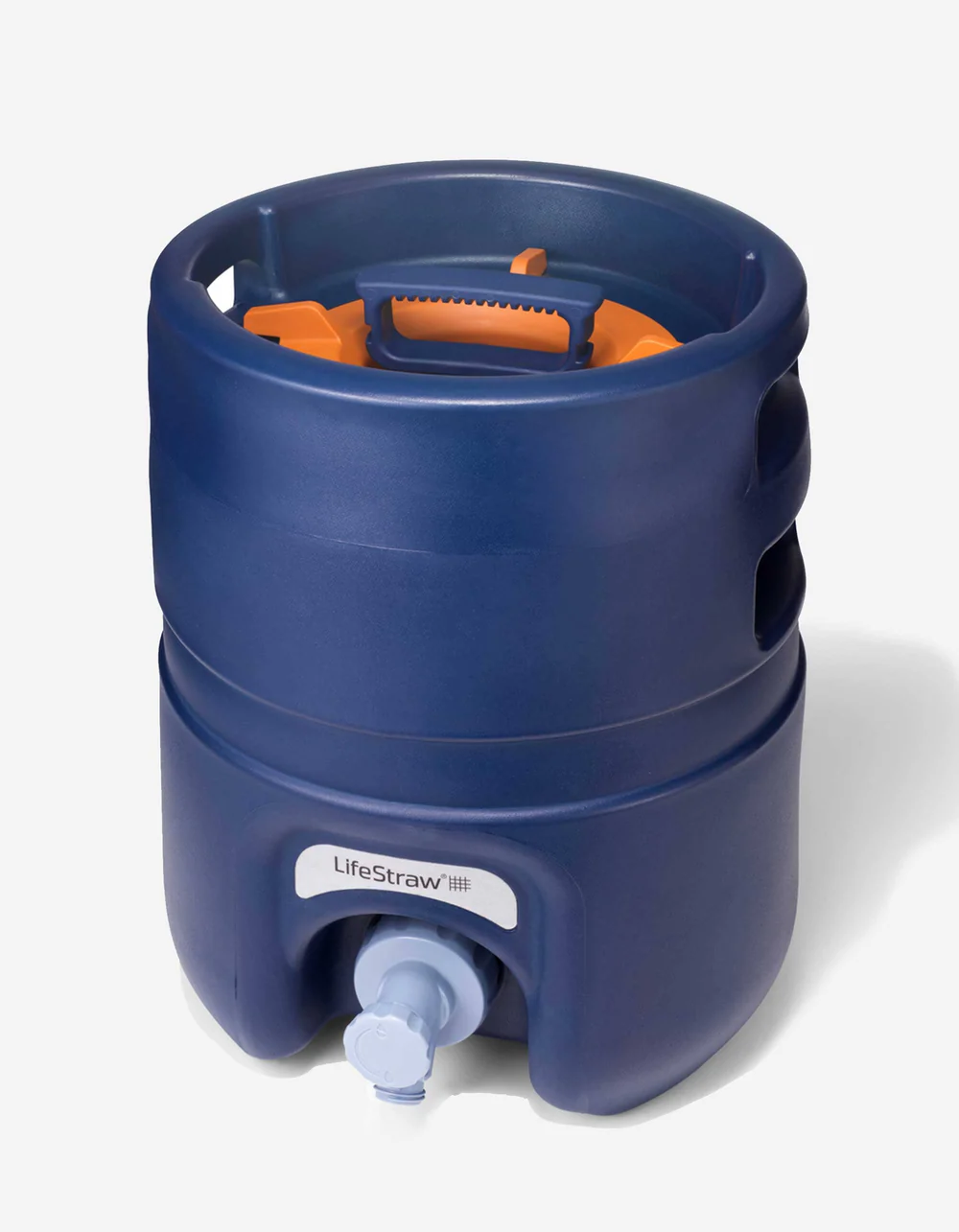
LifeStraw Escape High-Flow Pressurized Water Purifier
Long-Term Storage Instructions
Escape FAQ's are below videos
HELPFUL VIDEOS
LifeStraw Escape FAQ and Troubleshooting Guide
The LifeStraw Escape is a high flow, hand pump powered water purifier designed for emergency preparedness, off grid living, and camping. This guide covers common questions about product specifications, filter replacement, cleaning, storage, and troubleshooting.
What is the LifeStraw Escape?
The LifeStraw Escape is a 5.25 gallon pressurized water purifier that uses a 3 stage filtration system to remove viruses, bacteria, parasites, dirt, and other contaminants for safer drinking water in remote or emergency situations.
Where is the Escape made?
The Escape is manufactured and assembled in the United States with domestic and imported parts.
What materials is the Escape made from?
The Escape is made from BPA free thermoplastics.
What is the flow rate?
At maximum pressure, the Escape has a flow rate of 1.3 liters, or about 5.2 cups, per minute. Actual flow can vary, and some variation is normal during use.
How much does it weigh?
When empty, the Escape weighs 16 lbs. or 7.26 kg. When filled to capacity, it weighs 59 lbs. or 26.76 kg.
Is the Escape safe to use as a pressurized device?
Yes. The Escape includes an integrated pressure relief valve to help prevent over pressurization. Always follow the product instructions before operating the purifier.
How often should the filters be replaced?
The Escape uses two replaceable filters with different replacement schedules:
Ultrafilter
Replace after up to 18,000 liters or 4,755 gallons.
Carbon filter with ion exchange
Replace every 600 liters or 158 gallons, or every 2 months, whichever comes first.
What if my membrane filter dries out?
The membrane filter should be stored as directed in the user manual. If it dries out, it will become unusable and will need to be replaced.
Can I use the Escape without the carbon filter?
The Escape can also be used without the charcoal filter if needed, although the charcoal filter helps improve taste and reduce certain chemicals. If removing the charcoal filter improves flow or function, replace the charcoal filter when available and continue using the unit as directed.
How much force does the hand pump require?
The pump requires about 20 lbs. of force to activate. At maximum pressure, it takes roughly 50 lbs. of force.
What is the Escape best used for?
The Escape is intended for personal or family emergency use and off grid situations where access to safer drinking water is needed.
Where can I get replacement filters?
Replacement filters are available through LifeStraw.com.
Plunger Care: Prevent Water from Entering the Housing
When pressurizing the Escape, watch for water bubbling up between the blue plunger and the orange lid. This may indicate that water has entered the plunger housing.
- Stop pressurizing the unit and remove the lid.
- Unscrew the housing that holds the blue plunger.
- Remove the plunger components and allow the housing and plunger to dry completely before reassembly.
- Inspect the O-ring and apply a very small amount of food-grade lubricant so the plunger can move smoothly within the housing.
- Reassemble the housing and confirm that the plunger moves freely before reinstalling the lid.
Water left inside the plunger housing may cause the plunger material to swell or become distorted, making the pump difficult to operate. Avoid continuing to pressurize the unit when water is visible around the plunger.
How do I clean and maintain the Escape?
Routine maintenance is important to keep the Escape performing properly, especially before storage or when flow rate slows.
How do I backwash the Escape?
Backwashing should be done after each use before storage, or any time you notice reduced flow. If the source water is highly turbid, you may need to backwash more often.
Follow these steps:
- Fully depressurize the device by pulling the pin on the pressure regulator valve located on the top of the lid.
- Unscrew the top lid assembly.
- Make sure the filter is fully submerged in water with at least 1 inch of water above it.
- Thread the included backwash syringe onto the tap.
- Open the tap, pull back on the syringe plunger to draw water through the filter, then push the plunger to send water back through the tap and filter.
- Repeat this process at least five times.
- Unscrew the drain plug at the base of the tank to empty any remaining water.
- Leave the tank open without the top lid so it can dry internally.
How do I clean the prefilter?
The prefilter helps remove larger debris and particles to protect the ultrafilter membrane. It should be cleaned whenever it appears dirty or blocked.
Follow these steps:
- Depressurize the device by pulling the pin on the pressure regulator valve.
- Unscrew the tap assembly from the front of the tank to remove both the tap and filter assembly.
- Disconnect the prefilter from the ultrafilter.
- Gently clean the prefilter with clean water. A soft brush may be used if needed.
- Do not use soap to clean the prefilter.
- Reassemble the prefilter onto the ultrafilter and place the full tap and filter assembly back into the tank.
- Securely thread the tap back onto the body.
How should I store the Escape for more than one month?
If you plan to store the Escape for longer than one month without use, complete the backwash procedure first, then follow these steps:
- Remove the tap and filter assembly from the tank.
- Disassemble the filters and discard the used carbon filter.
- Drain any remaining water from the tank.
- Reassemble the filter housing without the carbon filter and close the tap.
- Fill the tank with about 5 gallons of clean water and mix in 1 teaspoon of unscented household bleach.
- Reattach the lid assembly and filter about 3 gallons of the bleach solution through the system, keeping the ultrafilter submerged with at least 1 inch of water above it.
- Store the unit in a cool, dry place with the lid closed.
- Do not allow the unit to freeze, as freezing will damage the filter.
How do I resume use after long term storage?
Before using the Escape again:
- Discard all bleach solution from the tank using the drain plug.
- Remove the filter assembly and rinse the ultrafilter thoroughly in clean water for about 1 minute.
- Insert a new activated carbon filter into the housing.
- Reassemble the full filter assembly and reattach it to the tank, making sure the tap is closed.
- Fill the tank with 5 gallons of water and pressurize the system to flush water through it.
- This rinse process takes about 15 minutes and helps prepare the unit for normal use.
Troubleshooting low pressure or slow flow
If your LifeStraw Escape is not holding pressure or has slow flow, there are a few common things to check.
A new filter may flow more slowly at first
A new LifeStraw Escape filter can take some time to reach normal flow. Because it is a purifier rather than a standard filter, slower initial flow can be expected. Flow may also vary by plus or minus 30%.
The carbon filter is especially dense and may slow water initially. Allowing water to fully saturate the carbon filter and backwashing the system a couple of times can help improve performance.
On/Off Valve: No Water Flow
A loose screw inside the blue on/off valve may prevent water from flowing properly.
- Remove the blue on/off valve from the unit.
- Unscrew and remove the filter attachment from the valve.
- Turn the valve counterclockwise until it is in the fully ON position.
- Locate the screw inside the valve.
- Use a Phillips-head screwdriver to gently tighten the screw. Do not overtighten it.
- Reassemble the filter attachment and reinstall the valve before testing the water flow.
Check for trapped air bubbles
Air bubbles can occasionally get trapped in the membrane, which may reduce flow.
Try gently releasing some pressure while filtering. This can help free trapped air and improve water flow.
Make sure the pressure release valve is closed
Check that the pressure release valve is fully closed and not stuck in the open position.
If you hear a hissing sound coming from the unit, that usually means the valve may still be open. Gently pull the tab and rotate it to close the valve completely.
Inspect the gaskets and O rings
Make sure all gaskets and O rings are present and in good condition.
The Escape center pump includes three separate seals:
- One gasket or O ring at the base of the pump handle
- Two gaskets or O rings at the top lid
If any of these are missing, damaged, or out of place, the unit may not hold pressure properly.
When assembling or checking your LifeStraw Escape, make sure the gasket is seated properly in the lid. The ridged side of the gasket should face outward, away from the inside of the cap. If the gasket is upside down, loose, twisted, or not fully seated, the unit may not seal correctly and may have trouble building pressure. If you are experiencing issues, remove the gasket, check that it is clean and undamaged, then reinstall it with the ridged side facing out before trying again.
Check the silicone check valve
If water is escaping back into the top of the Escape while pumping, inspect the small silicone check valve on the bottom of the pump handle assembly.
If this part is missing, bent, or not seated properly, it can affect pressure and flow.